[An English version follows Japanese]
NIPPONIA仁尾にて運営する「讃岐緑想」のビオガーデンが、生物多様性を定量的に評価する「JHEP認証」において、最上位であるAAAランクの更新認証を取得しました。
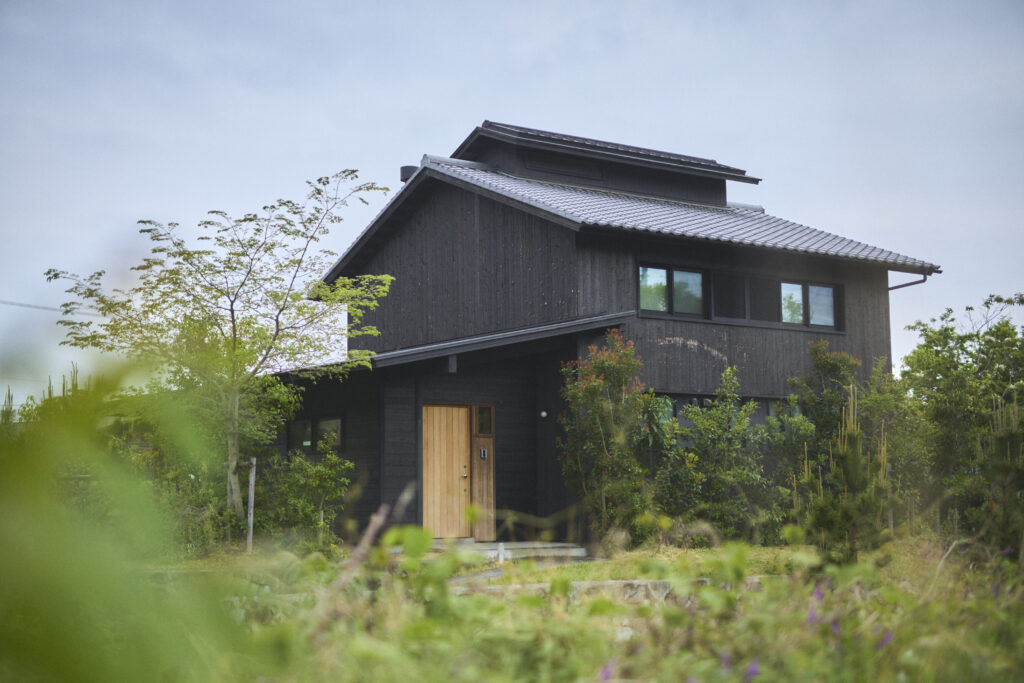
主な評価ポイントは以下のとおりです。
(1)敷地の約80%が緑地化されている
一般的な緑化義務(敷地面積の20%)を大きく上回り、
将来は約85%の緑地割合となる計画。
(2)地域の在来種のみで構成された植栽
・約50種類の地域在来樹木を植栽
・外来種を一切使わず、里山の自然に近い植生を再現
・樹形や下草も“自然な状態”を維持する管理方針
(3)生きものが棲みやすい環境構成
・目標植生:アベマキ-コナラ群集(香川の里山を代表する雑木林)
・評価種:シジュウカラ、コミスジ
→「良質な樹林に生息する種類」を基準に、生息環境の回復度を評価
(4)将来に向けても生物多様性が“向上”する予測
・2075年までの植生変化をシミュレーション
・ハビタット得点は 50年後に54.5点まで成長
・基準値を大きく上回り、要件(得点8点以上、外来種不使用 など)をすべてクリア
これらにより、「生物多様性を損なわず、むしろ向上させた事業」としてAAA評価が再認定されています。
Sanuki Ryokusou, operated at NIPPONIA Nio, has renewed its AAA-level certification under the “JHEP Certification” system, which quantitatively evaluates biodiversity. This represents the highest possible rating.
Key evaluation points are as follows:
(1) Approximately 80% of the site is green space.
This significantly exceeds the standard greening requirement (20% of site area),
with plans to increase the green space ratio to approximately 85% in the future.
(2) Plantings composed solely of regional native species
・Approximately 50 types of regional native trees planted
・No use of any non-native species, recreating vegetation close to natural satoyama landscapes
・Management policy maintains “natural states” for tree forms and understory vegetation
(3) Environment structured to be hospitable to living creatures
・Target vegetation: Japanese white pine-Japanese oak community (representative mixed broadleaf forest of Kagawa’s satoyama)
・Evaluation species: Great tit, Japanese bush warbler
→ Evaluate habitat restoration based on species inhabiting high-quality woodlands
(4) Projected “improvement” in biodiversity for the future
・Simulation of vegetation changes through 2075
・Habitat score projected to grow to 54.5 points in 50 years
・Significantly exceeds baseline values, meeting all requirements (score ≥8 points, no use of invasive species, etc.)
Based on these factors, the project has been recertified with an AAA rating as one that “does not harm biodiversity, but rather enhances it.”